Gravel is one of the best values in driveways: quick to install, easy to repair, and tough. But a gravel drive is only as good as what's underneath it. Here's how we build ones that last.
1. It starts with the base
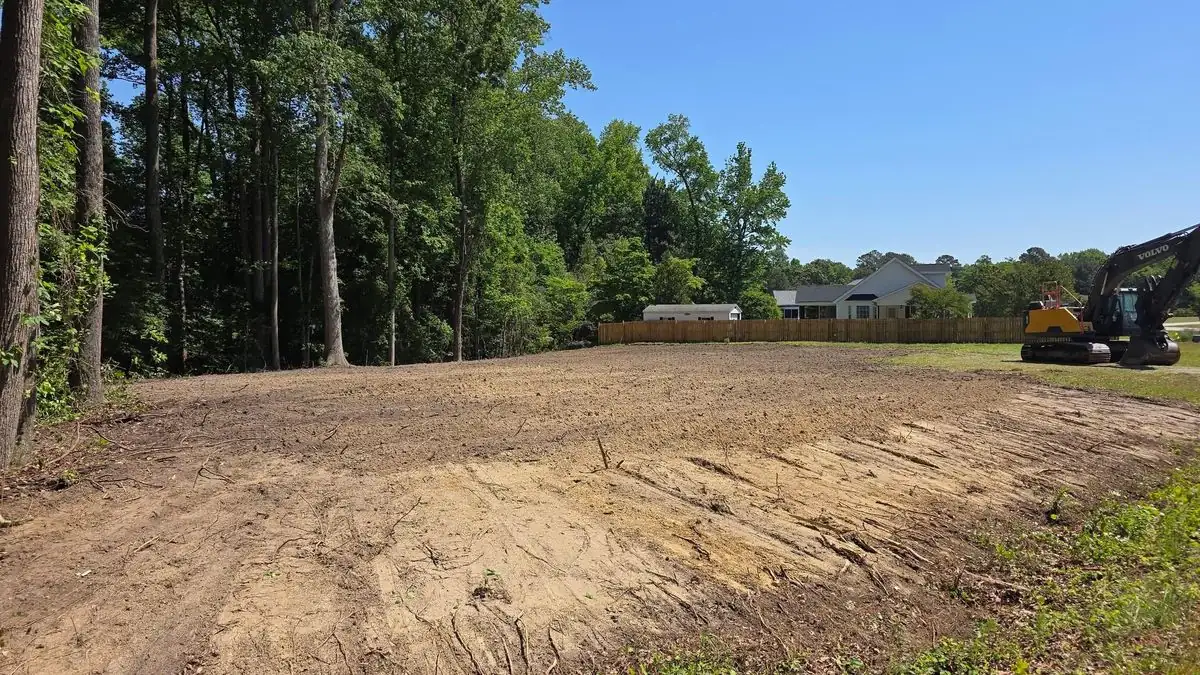
A driveway dumped on top of soft topsoil will rut and sink. We strip the topsoil, compact the subgrade, and build up in layers, a coarse stone base for strength topped with finer gravel for a drivable surface. The layers are what carry the weight of vehicles over time.
2. Grade for drainage
Water is a driveway's worst enemy. A proper drive has a slight crown or slope so water runs off instead of pooling and washing out the surface. Where a driveway crosses a ditch, a culvert pipe keeps water flowing underneath instead of over the top.
90% of failed gravel driveways are really drainage failures. Get the water moving and the gravel stays put.
3. Choose the right stone
Different projects call for different aggregate. A crushed stone with fines packs down tight and locks together, while a cleaner, rounder stone drains fast but can be loose to drive on. We match the material to your traffic and soil.
4. Edge and contain it
Gravel wants to migrate. Defining the edges, with grading, a slight trench, or edging, keeps your stone on the driveway and out of the yard.
Keeping it nice
- Add a fresh top layer every few years as gravel settles and thins.
- Regrade to knock down ruts before they get deep.
- Keep the ditches and culvert clear so water keeps moving.
New install or a refresh?
Whether you need a brand-new driveway cut in, a muddy two-track fixed, or an existing drive regraded and topped off, the fundamentals are the same: solid base, smart grading, good drainage. We'll take a look and give you a free estimate.
Serving your area
Carolina Turf & Lawn provides driveway installation and full outdoor services across Nash, Wilson, Edgecombe, Franklin and Halifax counties, NC. Fully insured, free estimates. Call 252-955-8000 or request a quote.